Linen, considered
How to Read the Details on Naturepedic Organic Linen Sheets
A sheet label is more than a list of specifications. Fiber origin, fabric weight, certification and care instructions each offer a clue to how linen is made, how it may feel and what it asks of you in everyday use.
Published October 31, 2026
Linen has a particular way of making a bed feel composed without looking overly arranged. Its surface is gently irregular, its drape has a relaxed ease, and its natural fibers are often chosen for their breathable character. But the word linen alone cannot tell you everything about a sheet set. When you compare specifications, the most useful details are often the ones that sound least glamorous: what the fiber is, where it came from, how heavy the fabric is, which standards apply and how the maker recommends washing it.
Naturepedic’s organic linen sheets provide a helpful example of how to read those details. The available specifications describe sheets made from organic flax grown in France, with the linen produced in a GOTS-certified organic facility in India. The fabric is listed at 185 grams per square metre, or gsm, and the set includes a flat sheet, a fitted sheet and two pillowcases. Care guidance calls for a warm machine wash, low-temperature tumble drying, warm ironing if desired and no bleach. Each specification answers a different question. Taken together, they create a more useful picture than any single claim about softness or luxury could.
Start with the fiber: linen begins as flax
Linen is the textile made from the fibers of the flax plant. That distinction matters when you are reading a product description: flax is the plant and its fiber; linen is the fabric created when the fiber is processed and woven. A label that says “organic flax” is describing the agricultural material, while “linen” identifies the resulting textile.
The Naturepedic sheet details identify the material as GOTS-certified organic flax or linen and specify that the flax is grown in France. That tells you something about the fiber’s stated agricultural origin, but it should not be mistaken for a complete map of every production step. A fabric can have fibers grown in one country and be processed, woven, finished or sewn elsewhere. Here, the description says the sheets are made in India in a GOTS-certified organic facility from flax linen grown in France. Those statements are complementary: one concerns the source of the flax, and the other identifies the facility where the finished sheets are made.
Origin information can help readers understand a supply chain, but it does not by itself determine quality. A country name is not a substitute for details about fiber content, construction, finishing and standards. For a fair comparison, read the full description rather than treating “grown in France” or “made in India” as a verdict. The useful question is what each part of the label actually tells you.
What “organic” and GOTS certification tell you
The word organic is meaningful when it is connected to a defined standard and a verifiable claim. In this case, the sheets are described as GOTS-certified, and the manufacturing facility is also identified as GOTS-certified. GOTS—the Global Organic Textile Standard—is a textile certification framework that addresses organic fiber and relevant environmental and social criteria across processing. It is more informative than an unqualified “natural” claim, which can be broad and difficult to interpret.
Certification should still be read with care. It does not mean that every aspect of a product is automatically impact-free, that the sheets require no maintenance, or that every person will experience them in the same way. It is a standard-based signal about defined parts of textile production. If certification is central to your decision, look for the scope of the claim, the certifying standard and any documentation supplied by the maker. A product description can summarize a certification, but the standard itself explains what is covered.
It is also worth separating certification from performance. Organic sourcing does not, on its own, tell you whether a fabric will feel crisp, fluid, substantial or airy. Those qualities are affected by fiber, yarn, weave, fabric weight and finishing. Certification helps answer questions about sourcing and processing; it is not a tactile rating.
Understanding 185 gsm
The Naturepedic linen specifications list the fabric at 185 gsm. GSM means grams per square metre: the mass of a square metre of fabric. It offers a practical way to compare fabric weight, particularly when two textiles are otherwise described in similar terms.
Weight is useful, but it is not a shortcut to comfort. A higher gsm fabric is heavier by area; it is not automatically softer, more durable or better suited to every sleeper. Likewise, a lighter fabric is not necessarily fragile. The experience of a sheet depends on several factors working together, including the quality and preparation of the fibers, the yarn and weave construction, the finishing process and how the material is laundered.
For linen bedding, weight can help set expectations about presence and drape. A 185 gsm fabric may be understood as a substantial textile specification, but the number alone cannot tell you how the sheets will feel on your particular bed. If you are comparing products, check that the figures use the same unit. Some labels use grams per square metre; others use ounces per square yard. A direct comparison is only helpful when the units and the type of material are clear.
Thread count is often treated as the headline bedding number, but it is not a universal measure across all fibers and fabric types. Linen is not best understood through the same shorthand commonly used to compare cotton sheets. Fiber origin, weight, construction and care instructions can be more revealing than attempting to rank linen by thread count alone.
A set is also a list of what is included
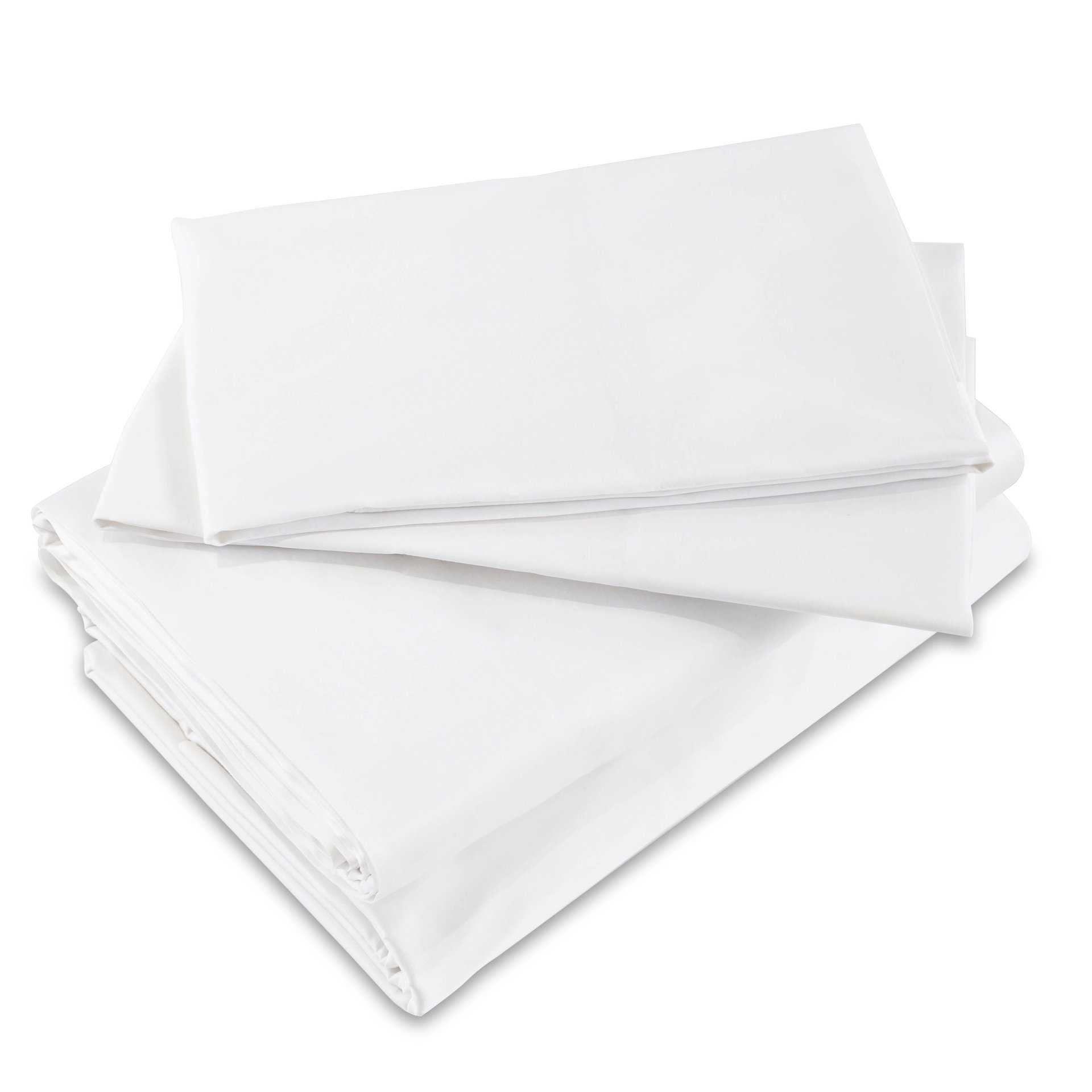
Before comparing prices or planning a bed, confirm what the product description means by a “sheet set.” The Naturepedic set is listed as including one flat sheet, one fitted sheet and two pillowcases. That is useful practical information, but the details still matter: the specified sizes, mattress fit and pillowcase dimensions should be checked against your own bedding.
The fitted sheet is listed with a 15-inch pocket. Pocket depth describes the mattress depth the sheet is designed to accommodate, although mattress toppers and pads add height and can affect fit. Measure the mattress from its base to the top surface, including any topper you intend to leave in place. Allowing for bedding layers can help avoid a fitted sheet that pulls loose at the corners.
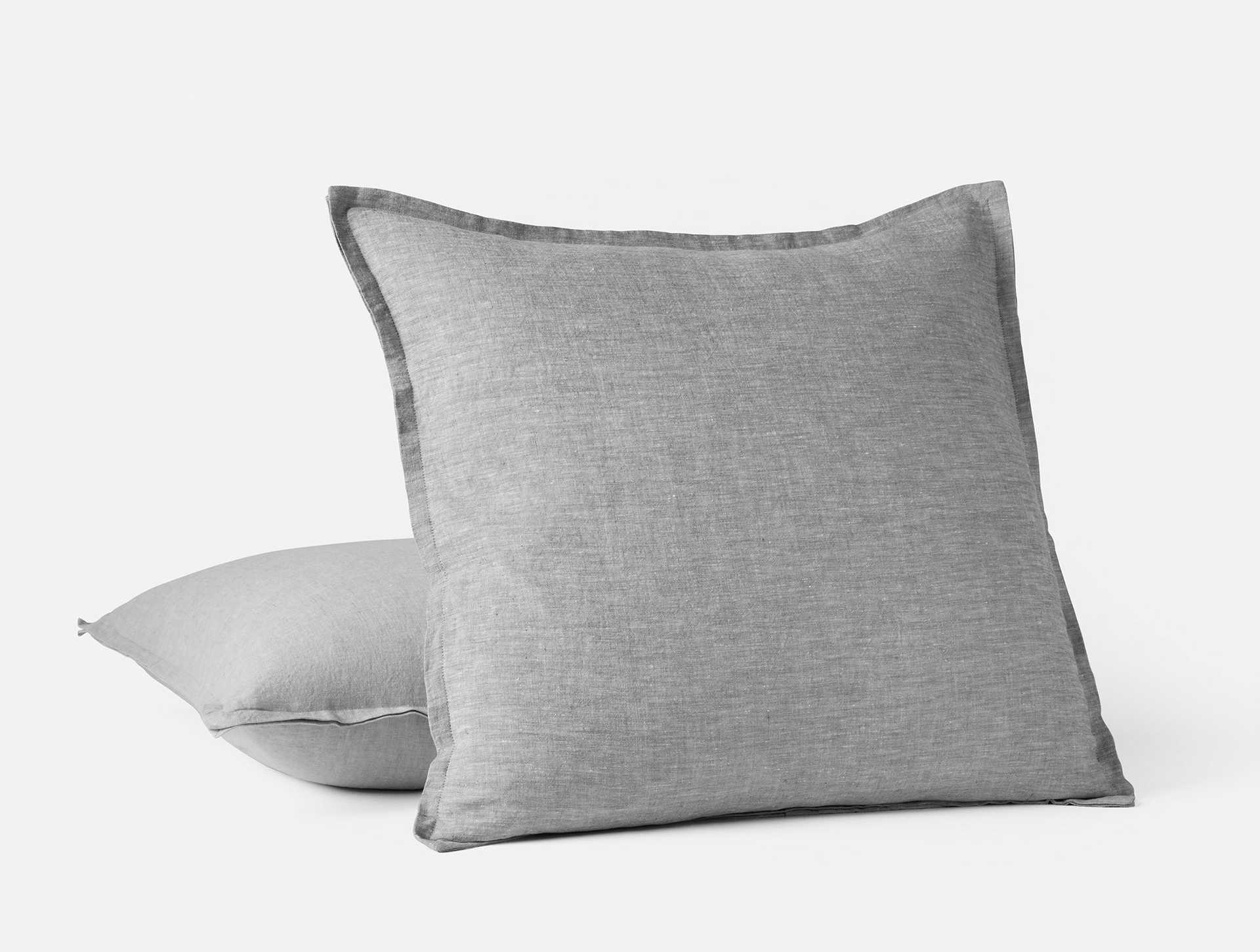
The listed sheet sizes are Queen, King and California King. The pillowcase pairs are given as Standard/Queen, measuring 20 by 32 inches, and King, measuring 20 by 40 inches. These measurements are more actionable than a broad statement that the set is “generously sized.” If you have unusually thick pillows, a particular mattress depth or a preferred amount of flat-sheet overhang, dimensions are worth verifying before purchase.
Translate the care label into a routine
Care instructions are not a footnote. They determine whether a textile fits comfortably into your household’s routine and can help you avoid unnecessary wear. The provided guidance for these linen sheets is straightforward: machine wash warm, tumble dry on low, iron warm if desired and do not use bleach. Follow the current sewn-in label and maker’s instructions if they differ from an online description.
Washing: keep the process gentle and considered
Wash linen with a suitable detergent and avoid overloading the machine. Fabric needs room to move and rinse; a packed drum can encourage twisting and uneven cleaning. “Warm” is a specific instruction, not an invitation to use the hottest setting available. Excessive heat and aggressive washing can place unnecessary stress on fibers, seams and any finishing treatments.
It is sensible to wash bedding according to household needs and the care label, rather than relying on a single schedule for everyone. Use a detergent appropriate to the textile and avoid bleach here, since the product guidance specifically says not to bleach. If you are managing a stain, address it promptly and test any treatment discreetly before applying it to the whole textile. Strong spot treatments can affect color or fiber appearance.
Drying: low heat gives you more control
The specified method is tumble drying on low. Removing sheets while they are still slightly damp can make it easier to smooth folds and may reduce the need for ironing. Shake each piece out before drying or as it comes out of the machine, then fold or place it promptly. Letting bedding sit in a warm, tightly packed drum can set wrinkles and make the final finish more rumpled.
If you prefer line drying, check that option against the product’s current care label. Drying outdoors or on an indoor rack can reduce reliance on a tumble dryer, but conditions matter: allow adequate airflow and avoid leaving colored fabric in harsh, prolonged sunlight if fading is a concern. The published guidance specifically names low tumble drying, so treat alternate methods as choices to confirm rather than instructions guaranteed by the product description.
Ironing: an optional finish, not a test of quality
Warm ironing is listed as an option. Linen’s characteristic texture is part of its appeal, so a perfectly pressed finish is not necessary for comfortable use. If a smoother appearance suits your room, iron while the fabric is slightly damp where appropriate and use a temperature that aligns with the care label. Begin conservatively, particularly if the sheets have a finish or color that you have not laundered before.
What linen can feel like—and what the label cannot promise
Linen is often valued for air circulation and moisture management, qualities associated with its fiber and open, relaxed character. The Naturepedic description calls the fabric breathable and describes its hollow fibers as supporting air and water circulation. That can help explain why linen is commonly considered for warm sleepers and changing seasons. However, the actual sleep experience also depends on room temperature, humidity, mattress materials, duvet weight and personal preference.
The fabric’s hand may change with use and laundering. Linen is frequently described as softening over time, but the pace and degree of change depend on construction and care. Do not interpret “softens with every wash” as a guarantee of a particular sensation on a particular night. If you are new to linen, expect a texture that may feel more tactile than smooth cotton sateen, and remember that a relaxed surface is not the same thing as poor construction.
Nor should a material claim be confused with a health promise. The product details describe a looser weave and mention reduced dust and particle buildup in relation to allergy sufferers. That should not be treated as a medical guarantee or as proof that linen prevents allergies. People with sensitivities may respond differently to fibers, finishes, laundering products and their sleep environment. If allergies or skin conditions are a concern, rely on appropriate professional advice and review the complete material and care information.
A practical comparison checklist
When reviewing linen sheet specifications—whether for Naturepedic or another set—use the details as a checklist rather than a scorecard:
- Fiber: Is the fabric identified as linen made from flax, and is the fiber content clearly stated?
- Origin: Does the description distinguish where the flax was grown from where the fabric or finished bedding was made?
- Certification: Is a named standard provided, and is it clear which parts of the product or process the claim applies to?
- Weight: Is the fabric weight listed in gsm or another clear unit? Compare like with like, and do not treat weight as a softness rating.
- Construction: Are weave, finish or other relevant details explained, rather than relying only on broad words such as “premium”?
- Contents: Does the set include the pieces you need, and are pillowcase sizes stated?
- Fit: Is the fitted-sheet pocket deep enough for your mattress and topper?
- Care: Are washing temperature, drying method, ironing guidance and bleach restrictions easy to find?
Read the whole specification, not just the headline
The appeal of linen is partly its simplicity: a natural fiber, an easy drape and a texture that can make a bedroom feel quietly lived in. Choosing it well is less simple. A meaningful comparison looks beyond the fabric name to the details that explain what is being offered and how it should be maintained.
In the Naturepedic example, the key points are specific: organic flax grown in France; linen made in a GOTS-certified organic facility in India; a listed weight of 185 gsm; a set containing a flat sheet, fitted sheet and two pillowcases; a 15-inch fitted-sheet pocket; and care instructions for warm machine washing, low tumble drying, optional warm ironing and no bleach. None of these details independently predicts exactly how a sheet will feel in your home. Together, they provide a grounded basis for understanding the material, checking fit and planning care.
That is the most useful way to read linen sheet specifications: not as a promise of perfection, but as a set of practical clues. Let fiber and certification clarify sourcing, let weight inform comparison, and let dimensions and care instructions guide the everyday decision. The result is a more thoughtful choice—and a better chance that the sheets you bring home will suit both your bed and the way you live.