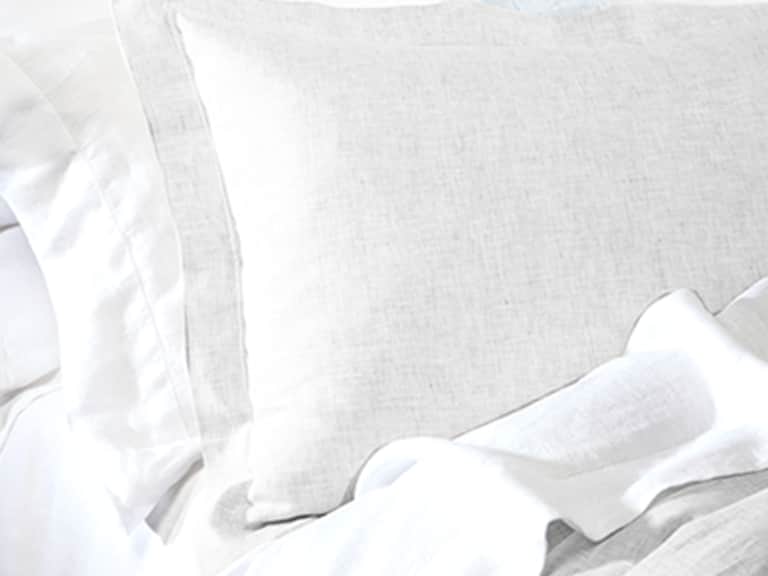
A guide to table linens
Linen Table Runners: Choosing a Weave and Caring for the Fabric
A linen table runner brings a quietly tactile note to the dining room: a little movement, a little texture, and a natural sense of occasion. Choosing the right weave and tending to the cloth well can make this versatile table linen a pleasure to use for everyday meals and more formal gatherings alike.
A table can be dressed without feeling dressed up. A linen runner laid over bare wood, or set across a crisp tablecloth, offers a relaxed alternative to a fully covered surface. It frames a meal, gives the eye a place to rest, and lets the character of the fabric do much of the work. Linen’s subtle irregularities are part of its appeal: the surface is not perfectly uniform, and the resulting texture makes even a simple setting feel considered.
Yet a beautiful table runner is also a working textile. It may meet warm dishes, candle wax, red wine, oily dressings, and the quick, sometimes chaotic rhythms of dinner. The best choice is therefore not simply the one that looks most polished when newly pressed. Consider how it will drape, how often it will be used, whether its dimensions suit the table, and what kind of care its particular fabric requires. A few practical decisions can help linen remain graceful through repeated meals and laundering.
What makes linen distinctive?
Linen is a fabric made from the fibers of the flax plant. Its characteristic appearance comes partly from the natural variation of those fibers and partly from the way they are spun and woven. Depending on the yarn, construction, and finishing, linen may feel crisp or relaxed, appear fine or visibly textured, and fall in a relatively fluid line or hold a more structured shape.
These differences matter on a table. A light, supple cloth can move easily and create a soft, informal drape over the edges. A denser linen may feel more substantial and sit with greater definition. Neither is inherently better. The right fabric depends on the table, the setting, and the mood you want to create. A runner for daily breakfasts might be chosen for easy handling and a forgiving finish; one reserved for long dinners may be selected for its weight, color, and more tailored presence.
Linen is often appreciated for its breathable, absorbent character and for the way it develops a lived-in softness with use. That does not make it impervious to stains or damage. Like other natural textiles, it benefits from attentive handling, sensible laundering, and respect for the care instructions supplied with the particular piece.
Start with the table and the way you use it
Before comparing linen weaves, take a moment to consider the table itself. Measure its length and width, then decide whether you want the runner to fall over the ends or finish on the tabletop. A runner with a generous drop can lend a dining table a more formal silhouette, while a shorter one feels neat and contemporary. If the table is used often, a shorter drop may also be easier to live with: there is less fabric to catch on chairs, lapfuls, or passing hands.
Width changes the visual effect. A narrow runner leaves much of the table surface visible and can feel light, especially on a beautifully grained wooden table. A wider style makes a stronger central band and provides more room for serving dishes or a layered setting. On a large dining table, a narrow runner can seem a little lost; on a small table, an overly broad one may crowd place settings. Proportion is more important than following a fixed rule.
Think, too, about whether the runner will sit alone or become part of a layered arrangement. Over bare wood, linen contributes warmth and softens a hard surface. Over a tablecloth, it adds contrast and depth, especially when the fabrics differ in texture or shade. If the runner is intended to protect a high-use surface, consider where serving bowls, candles, or everyday objects are likely to rest. A decorative placement that looks lovely in an empty room may not be the most practical once dinner is underway.
Understanding linen weave
The word weave describes how the lengthwise and crosswise yarns interlace. The construction influences the cloth’s surface, weight, strength, and drape. Product descriptions do not always spell out every technical detail, so it helps to know what to look for—and to remember that yarn quality and finishing can matter as much as the weave itself.
Plain weave: balanced and versatile
In a plain weave, each yarn passes over and under the next in a straightforward, balanced pattern. This familiar construction can produce a clean, even-looking surface, although linen’s natural variation still lends it character. Plain-weave runners are often easy to style because they do not compete with patterned plates, sculptural glassware, or a richly grained table. They can feel at home in settings that range from casual to formal.
A plain weave is not a guarantee of a particular weight or level of stiffness. Those qualities depend on the yarns, density, and finishing. When assessing a runner, look for information about fabric weight if it is available, and pay attention to how the cloth is described: crisp, relaxed, washed, lightweight, or substantial. These words give useful clues, but the care label remains the authority on laundering.
Textured and open constructions
Some linens have a more visibly open, irregular, or slubby surface. A relaxed texture can bring depth to a simple table setting and pair particularly well with natural wood, handmade ceramics, or unpolished metal. An open or loosely constructed cloth may feel airy and drape softly, though the exact performance varies by fabric. If a runner will be used frequently, inspect its edges and seams as well as its surface; neat finishing helps the textile withstand routine handling.
Texture can be a design feature rather than a flaw. Small variations in yarn thickness are part of what gives linen its distinctive look. The aim is not to find a fabric that appears mechanically perfect, but one whose character suits the room and whose construction feels appropriate for its intended use.
Weight, drape, and finishing
Fabric weight can help explain how a runner behaves, though it should not be treated as a complete measure of quality. A lighter linen tends to feel less imposing and may fall in a fluid line. A heavier one can create a more grounded, defined effect. In either case, a runner should lie comfortably on the table without being so stiff that it resists placement or so fine that it seems out of scale with the setting.
Finishing alters the hand of linen. Washing or stone-washing, for example, may give a textile a softer, more relaxed feel from the outset. A crisp finish can make the same kind of fiber appear sharper and more formal. Hemming, fringe, or decorative stitching also affects the overall mood. A narrow, clean hem reads as understated; a more expressive edge turns the perimeter into a design detail. Choose finishing for both appearance and use: decorative edges may need a little more attention during laundering and pressing.
Color and styling: restraint with personality
Natural and muted shades make linen easy to incorporate into a dining room. Soft white, warm ivory, stone, and flax tones allow the weave to remain visible without dominating the table. Deeper colors can lend a more dramatic note, while a subtle stripe or contrast border introduces pattern in a controlled way. Consider the runner against the table’s surface and the dishes you use most often. The same pale fabric will look different on dark walnut than on light oak.
There is no need to coordinate every element precisely. A linen runner can sit comfortably beside cotton napkins, ceramic plates, or a polished serving piece. A useful approach is to repeat one quality—perhaps a warm neutral tone, a natural texture, or a restrained color—rather than matching each item. This creates cohesion without making the table feel overly arranged.
For everyday use, keep the setting easy to clear and comfortable to sit around. Ensure the runner does not obstruct place settings or leave fabric gathered beneath serving dishes. For a more formal meal, a carefully pressed runner can provide a composed center line, with candles or a low arrangement placed so guests can see across the table. A textile should support the occasion, not make the table difficult to use.
Everyday care begins before the wash
Care for linen begins at the table. Spills are easier to manage when they are addressed promptly, before they have time to dry and settle into the fibers. Blot liquid gently with a clean cloth rather than rubbing it outward. For thicker spills, lift away excess with a spoon or the edge of a blunt utensil. Work carefully to avoid spreading food or pushing it deeper into the weave.
Different stains call for different treatment, and dyed or finished linens may react differently to cleaning products. Check the manufacturer’s instructions before applying a stain remover, and test any product on an inconspicuous area if the care guidance permits. Avoid assuming that a natural fiber can tolerate a strong treatment simply because it is durable. Chlorine bleach and harsh stain agents can weaken fibers, alter color, or leave uneven marks. In general, prompt, gentle action is a better starting point than aggressive scrubbing.
If wax has dripped onto the fabric, allow it to harden rather than rubbing it while warm. Carefully remove what you can without pulling at the weave, then follow the textile’s care guidance for any remaining residue. For oil, colored drinks, or stubborn marks, a professional cleaner may be the prudent choice, particularly when the runner is valuable, dyed, embellished, or labelled for specialist care.
Washing linen table runners
Always read the care label first. Linen table runners are not all finished in the same way, and the recommended water temperature, cycle, detergent, and drying method can vary. Some are suitable for machine washing; others may call for gentler treatment. If the label provides specific instructions, follow those rather than relying on a general linen rule.
When machine washing is permitted, avoid crowding the drum. Fabric needs room to move, and an overloaded wash can increase creasing and friction. Separate light and dark colors, particularly when washing a new or strongly colored textile. A mild detergent is generally preferable to harsh whitening products, and using more detergent than necessary does not make a wash more effective; excess residue can remain in the cloth.
Choose a gentle cycle when appropriate to the label, and avoid combining the runner with items that have rough fasteners or sharp edges. Zippers, hooks, and abrasive fabrics can snag or stress a fine weave. If the table linen is particularly delicate or has decorative trim, hand washing may be an option only when its instructions allow it. Do not twist or wring linen forcefully to remove water, as that can distort the cloth and strain seams.
Drying and pressing without overworking the fabric
High heat and over-drying can make wrinkles more difficult to release and may put unnecessary strain on fibers. If machine drying is permitted, use the temperature recommended on the care label and remove the runner while it is still slightly damp. Smooth it by hand, align the edges, and lay it flat or hang it neatly to finish drying. This simple habit can reduce the need for intensive ironing.
Air drying offers a gentle alternative when space and conditions allow. Hang the runner evenly so that its weight does not pull one end out of shape, and avoid leaving colored linen in strong direct sunlight for extended periods, which may contribute to fading. A well-supported drying surface also helps prevent deep creases from setting as the cloth dries.
If you prefer a crisp finish, press the runner while it is a little damp, using a setting suitable for linen and any trim or blend specified on the label. A pressing cloth can be helpful if you are unsure how the surface will respond to direct heat. Work along the fabric rather than dragging the iron sharply across it, and take care around hems and decorative details. Linen’s natural creasing is part of its character; a perfectly flat surface is a style choice, not a requirement for good care.
Storing table linens between meals
Store a runner only when it is completely dry. Putting away damp fabric can encourage musty odors and may lead to unwanted marks. Fold it loosely or roll it around a clean, smooth support to limit harsh creases. If it will be stored for a long period, choose a dry, clean place away from direct sunlight and avoid sealing it in a way that traps moisture.
For runners used regularly, convenient storage encourages regular use. A dedicated drawer or shelf keeps the cloth accessible and makes it easier to rotate between textiles. If creases form in storage, a light pressing or a short period of hanging may be sufficient. Treat linen as a practical household textile, not a fragile object that must be saved for a rare occasion.
A considered choice for a longer life
When choosing among linen table runners, weigh appearance against routine. Look for a weave and fabric weight that suit the scale of the table; select a length that allows guests to sit comfortably; and decide whether you prefer a crisp, tailored finish or a softer, more relaxed one. Check the care label before purchasing or using the textile, especially if your household relies on machine washing or if the runner has a special finish.
Careful use is not complicated. Blot spills promptly, avoid harsh bleaching, wash according to the specific instructions, and remove the runner from the dryer while it remains slightly damp when that method is allowed. Store it fully dry and give it the occasional gentle press if a sharper line suits your table. These habits preserve the cloth without asking it to lose the natural ease that makes linen so appealing.
A linen runner earns its place not by staying untouched, but by being brought to the table. Its weave catches the light differently from one meal to the next; its folds soften with use; its quiet texture makes room for conversation, food, and the small rituals of dining. Choose thoughtfully, care gently, and let the fabric become more familiar with every gathering.